
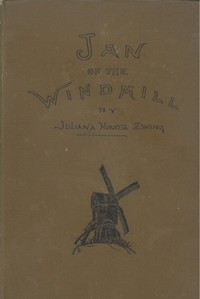
Jan of the Windmill: A Story of the Plains by Juliana Horatia Ewing
Let's talk about this charming, slightly forgotten book from 1876. 'Jan of the Windmill' feels like a quiet afternoon story that slowly gets its hooks into you.
The Story
The tale begins with a mystery. A baby is left at a remote windmill on the Somerset Levels. The miller, George, and his wife, Dame, decide to raise him as their own, naming him Jan. He grows up in the shadow of the great sails, a happy child of the plains. But Jan is different. He's captivated by drawing and music, skills that seem to come from nowhere. As he gets older, this artistic gift becomes a source of both wonder and conflict. Is his place here, taking over the mill, or is he meant for something else? The story quietly follows Jan's path as he learns about his unexpected talents, faces the curiosity and sometimes cruelty of others, and tries to solve the puzzle of his own origins. It's a journey of self-discovery set against a beautifully drawn rural landscape.
Why You Should Read It
What I loved most was Jan himself. He's thoughtful and sensitive, but not weak. His inner conflict is so relatable—that feeling of being pulled between loyalty to the family and life you know, and the insistent voice of your own potential. Ewing writes about childhood and artistic passion with real understanding. She doesn't make it easy or glamorous. Jan's gift is almost a burden at times. The setting is another character. The windmill, the vast, flat plains, the big skies—they create a specific, peaceful mood that makes Jan's restless spirit stand out even more. It's a book that celebrates simple virtues like kindness and hard work, while also making a strong case for following your unique star.
Final Verdict
This book is perfect for readers who enjoy classic, character-focused stories without the heavy melodrama of some Victorian novels. It's for anyone who's ever wondered about their own roots or felt a passion they couldn't fully explain. Fans of 'Heidi' or 'The Secret Garden' will find a similar warmth here, though Jan's journey is more internal. It's a gentle, insightful read that proves a story about finding where you belong can be just as gripping as any grand adventure.
Joshua Robinson
9 months agoVery helpful, thanks.